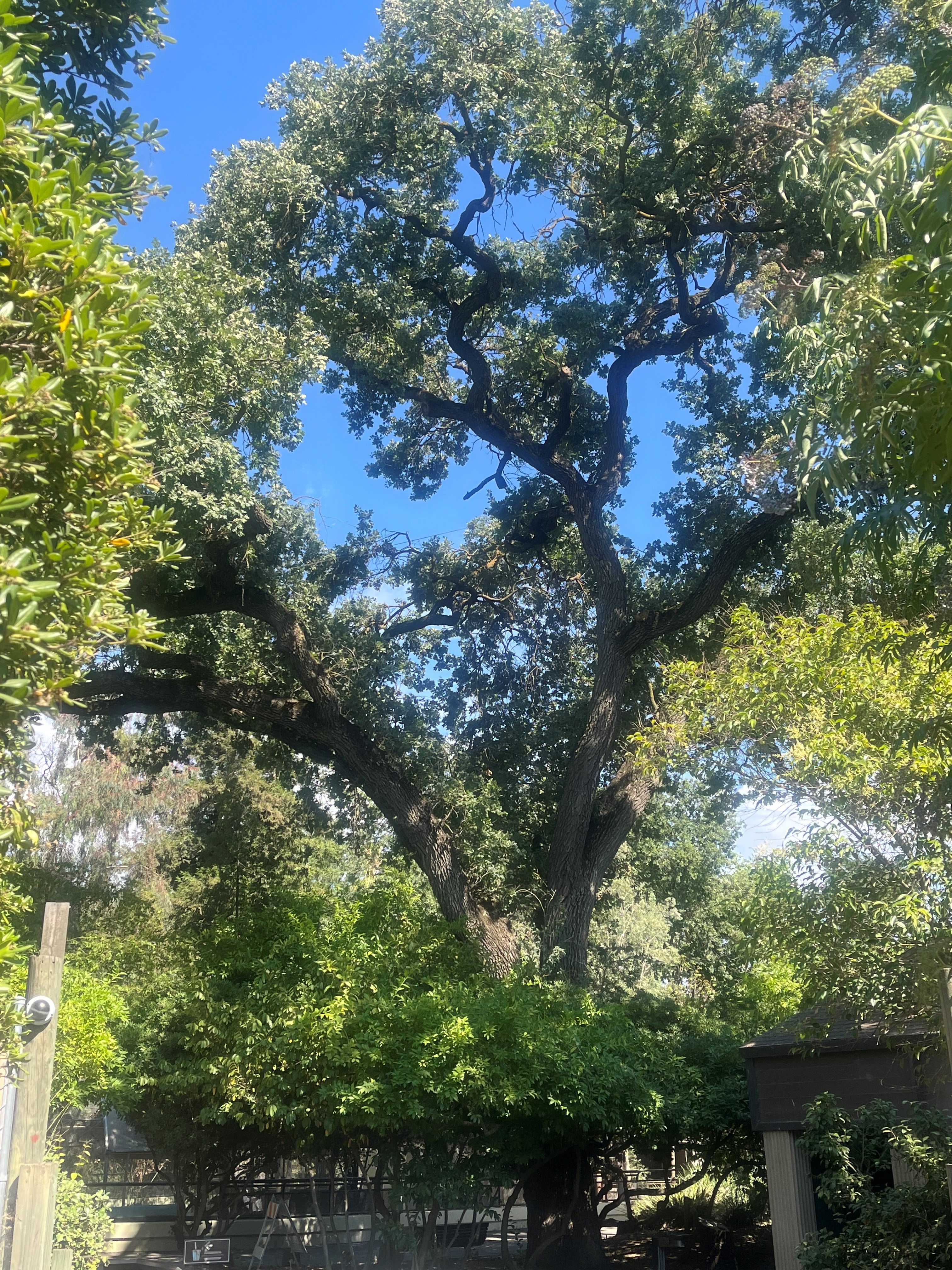
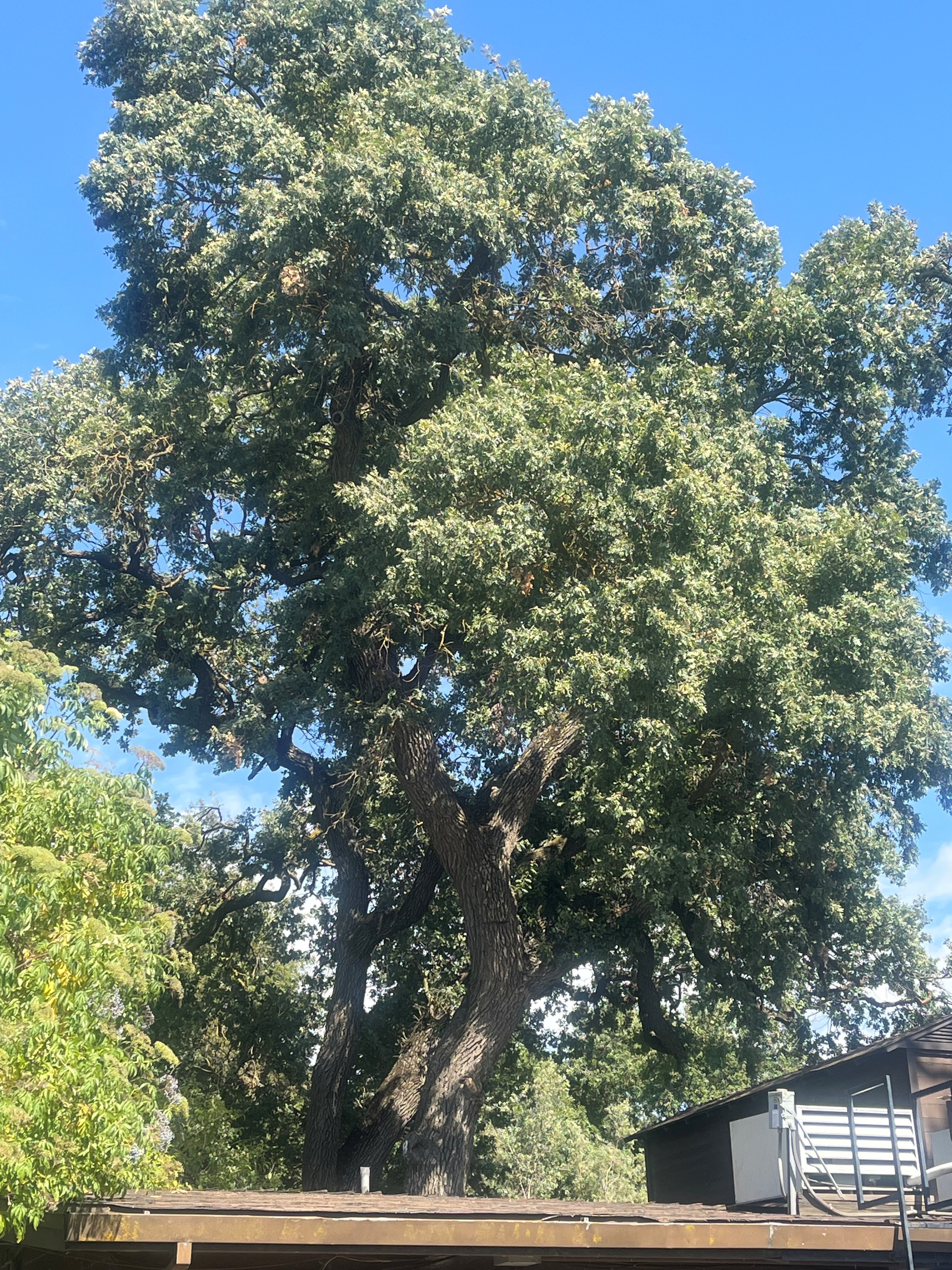
Micke Grove Zoo is home to a small grove of heritage Valley Oak trees (Quercus lobata) that are about 80 to 100 years old.
Valley Oaks are endemic to California’s Central Valley and are categorized as Near Threatened by the World Conservation Union. Valley oak woodlands have largely disappeared from the San Joaquin Valley and few pockets of natural oak woodlands remain. Micke Grove Zoo has launched the Valley Oak Conservation Project which aims to restore the depleted natural oak woodland in the Shumway Oak Grove Regional Park. The zoo is also a member of the California Oak Coalition.
Valley Oak Conservation Project
The Valley Oak Conservation Project goal is to restore the natural oak woodland inside Shumway Oak Grove Regional Park, by planting valley oak saplings in the denuded areas where oak trees have succumbed to severe drought during the years 2015/2016. Micke Grove Zoo staff and volunteers are participating in project activities, which include collecting fresh acorns, processing them for germination through stratification, maintaining a small tree nursery, and finally planting healthy saplings in Shumway Oak Grove Regional Park.

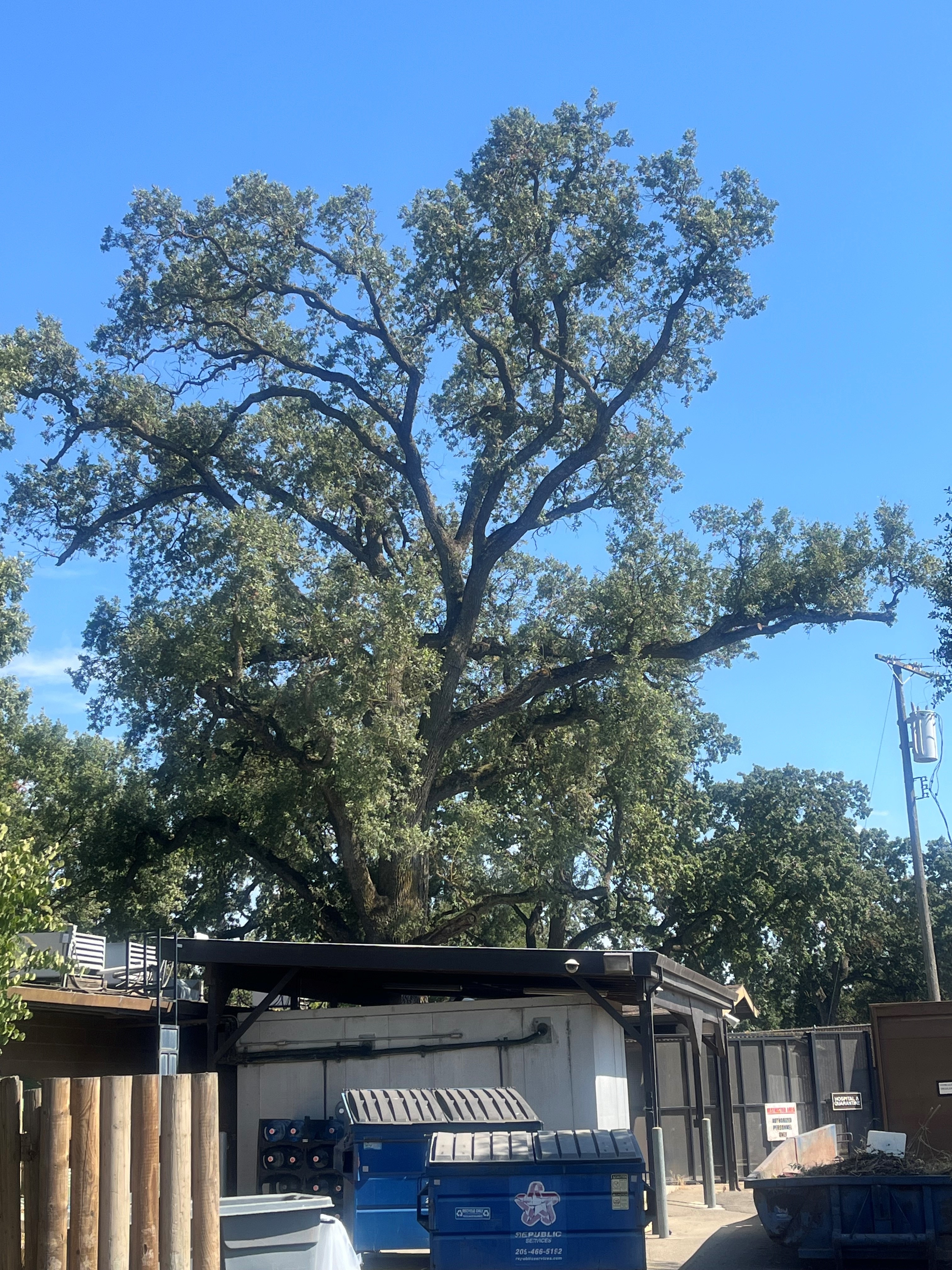
Processing Micke Grove Zoo's Valley Oak Acorns for Germination
1. Collection
Micke Grove Zoo’s valley oak trees drop acorns during the fall season every year. Zoo volunteer, Atticus Swanson was tasked with the job of collecting these acorns. The acorns were examined for holes, cracks or insect activity and the damaged ones discarded. The rest were placed in water to conduct a float test. While healthy acorns remained submerged, damaged acorns floated. The damaged acorns were discarded.

-
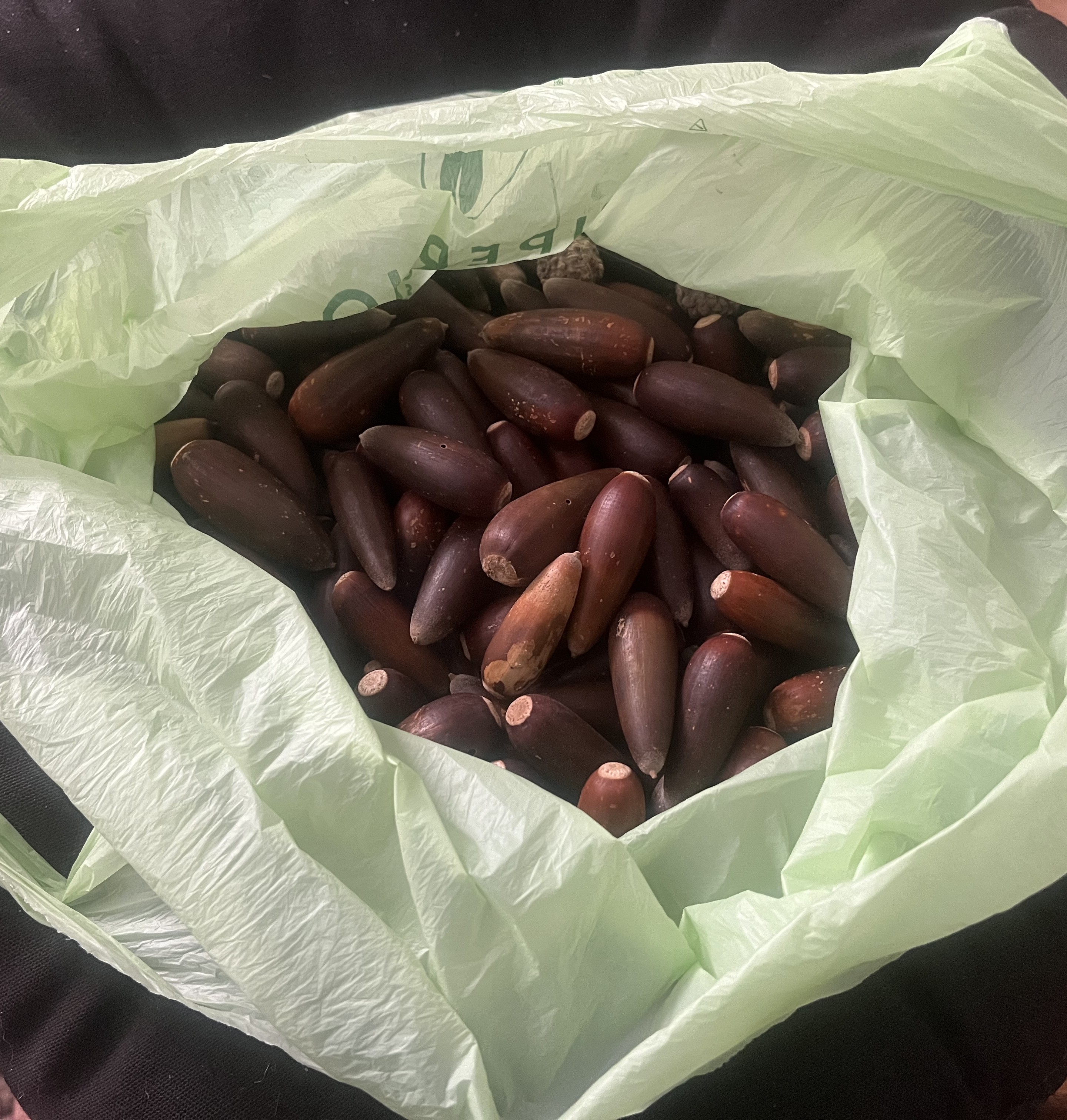
Bag of Valley Oak acorns collected by zoo volunteers. -
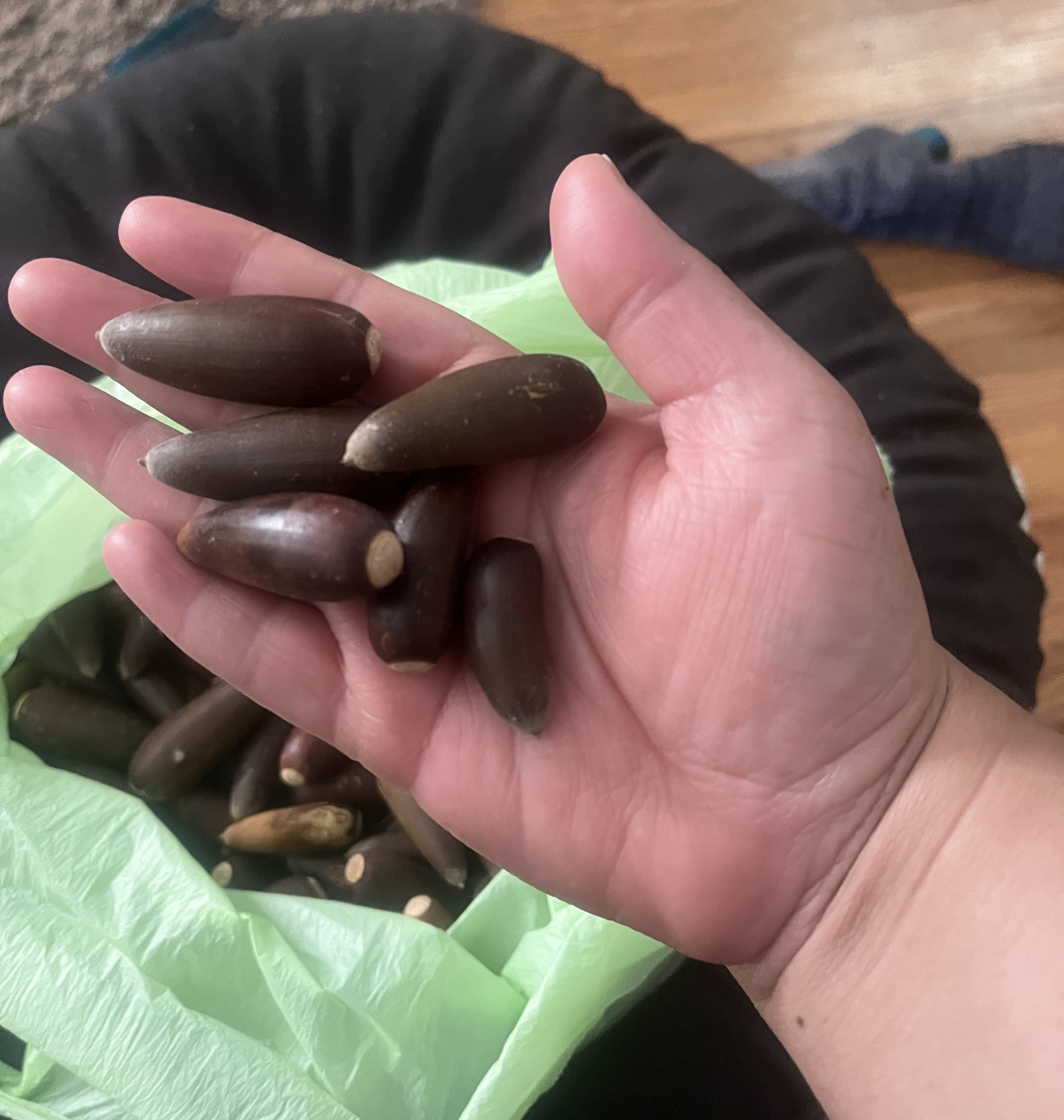
Valley oak acorns are long and perpendicular tapering from the cap to the tip -
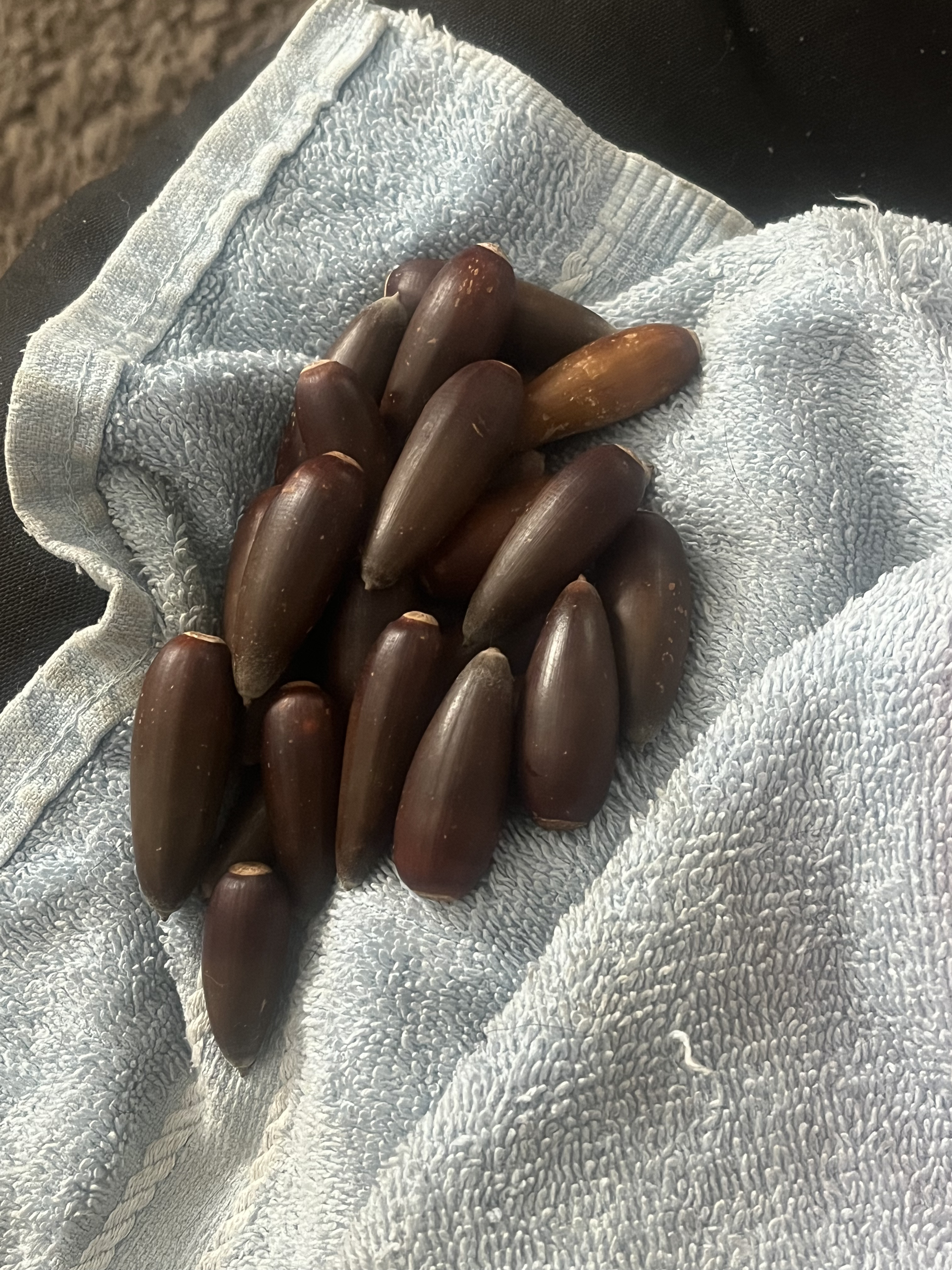
Acorns with holes created by insects are considered unviable for germination. -
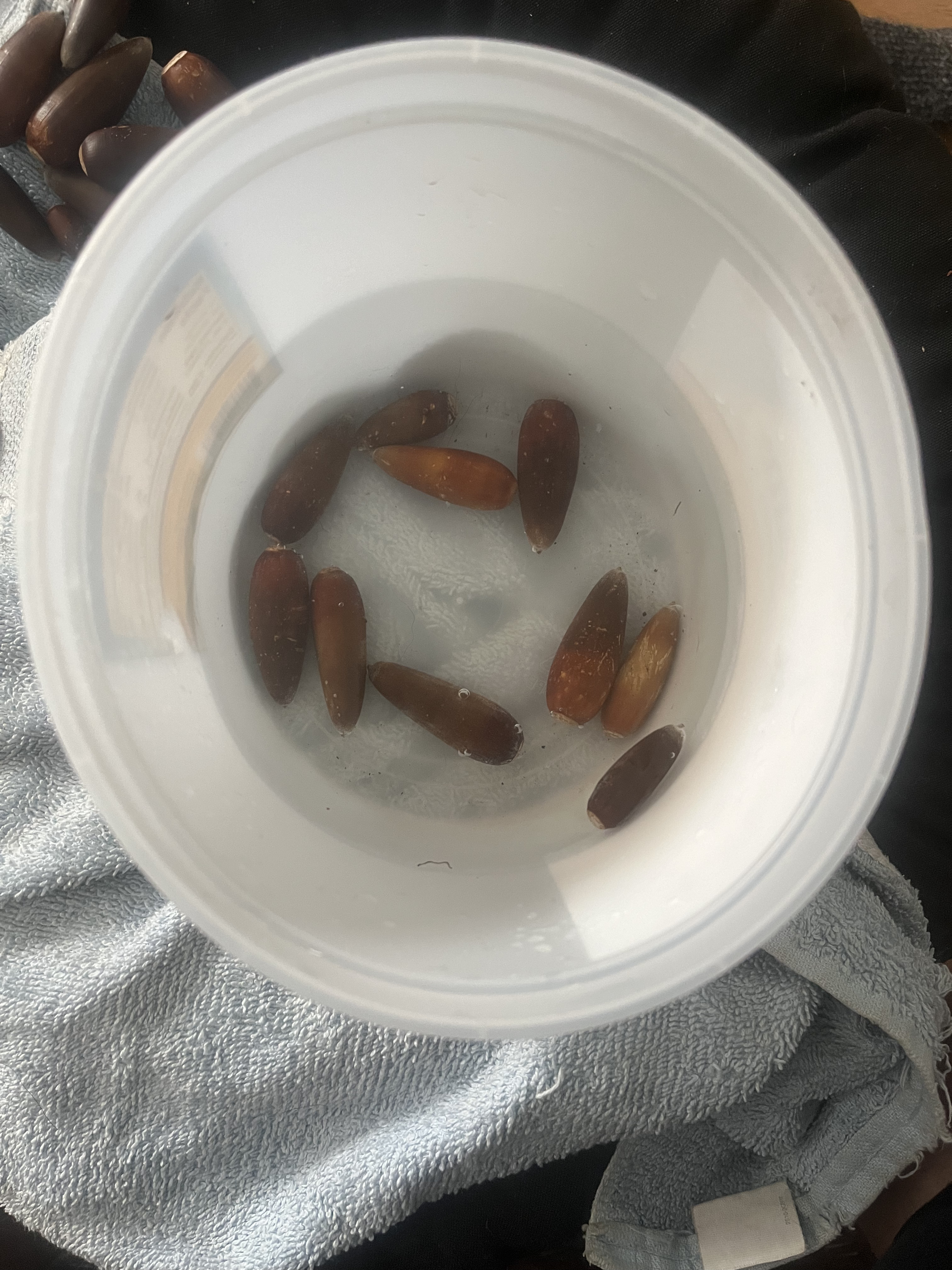
Acorns placed in a container of water to conduct a float test to identify healthy ones. -
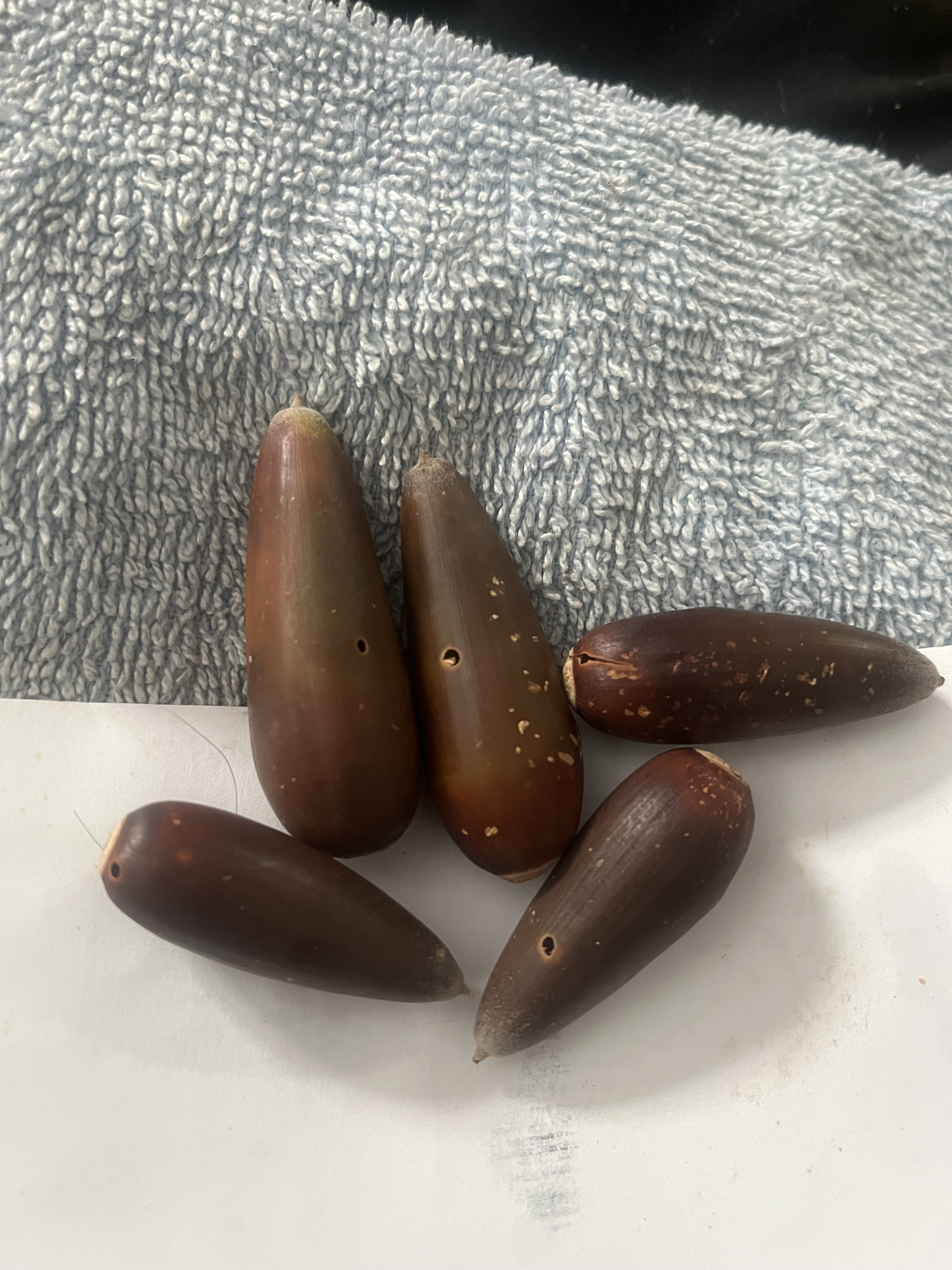
Acorns with holes created by insects are considered unviable for germination
r.png?sfvrsn=d4416394_3&MaxWidth=350&MaxHeight=369&ScaleUp=false&Quality=High&Method=ResizeFitToAreaArguments&Signature=2EA5EB73B9DA500496FBF5180D6E966F2F1FD186 "143")
2. Stratification
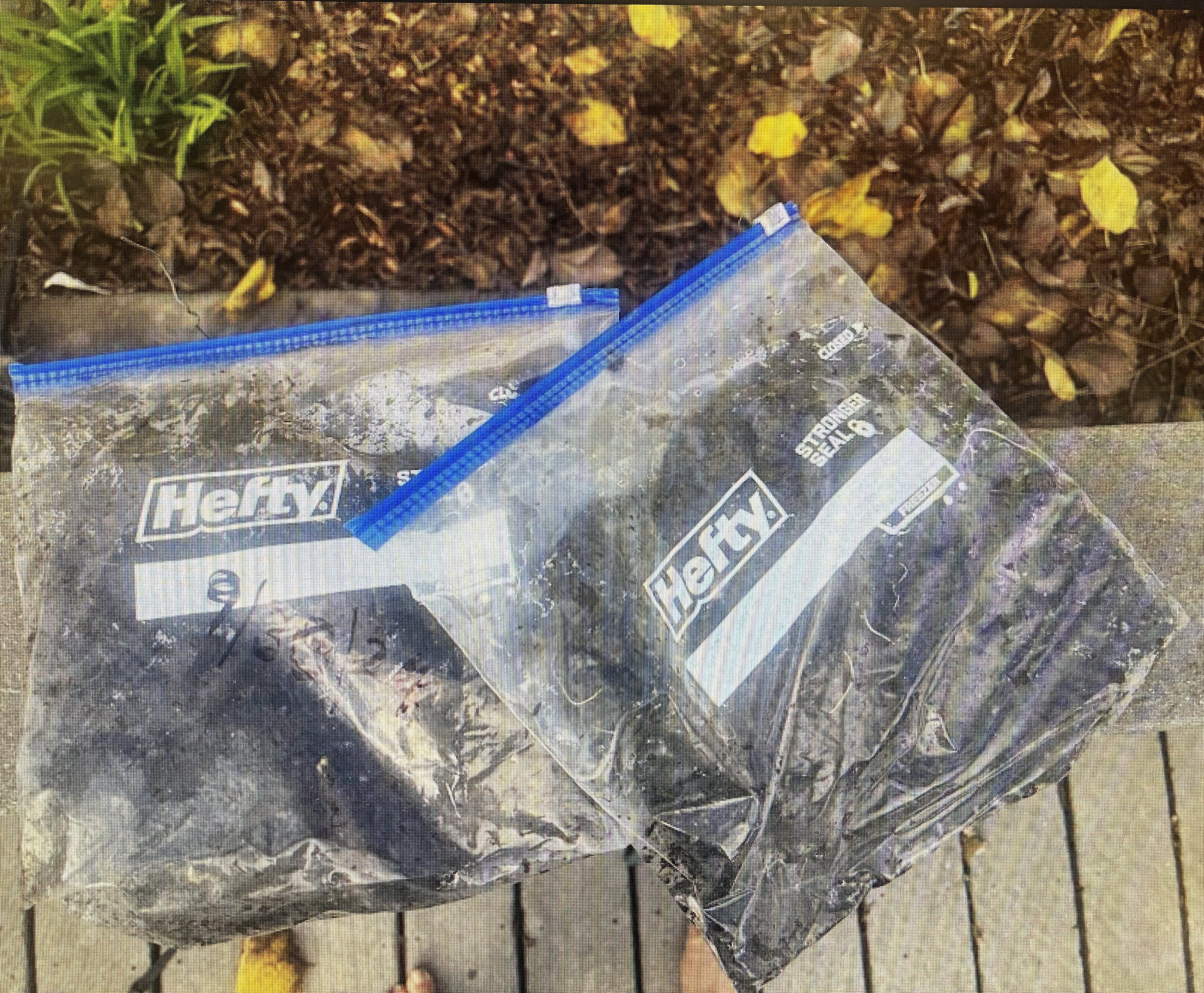
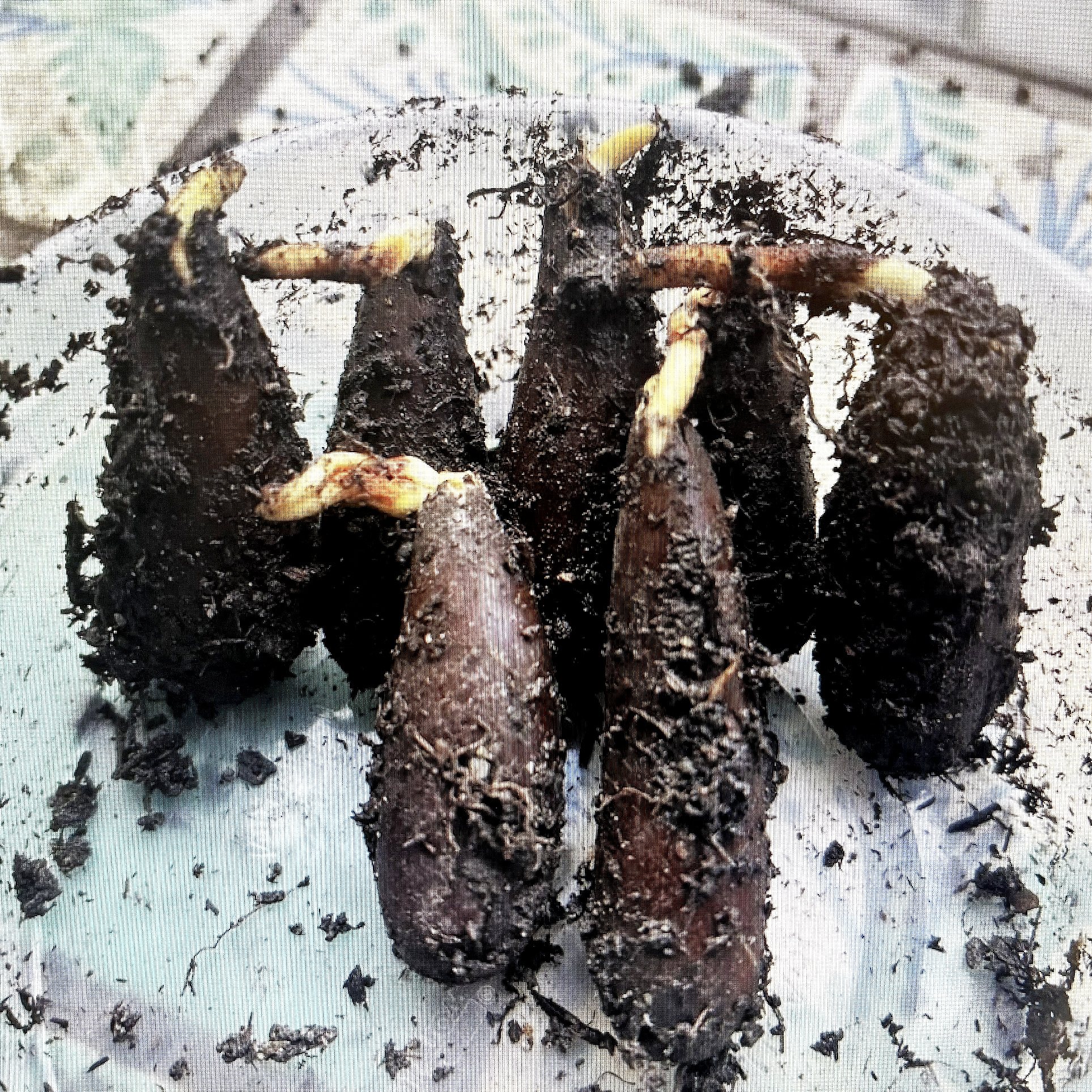
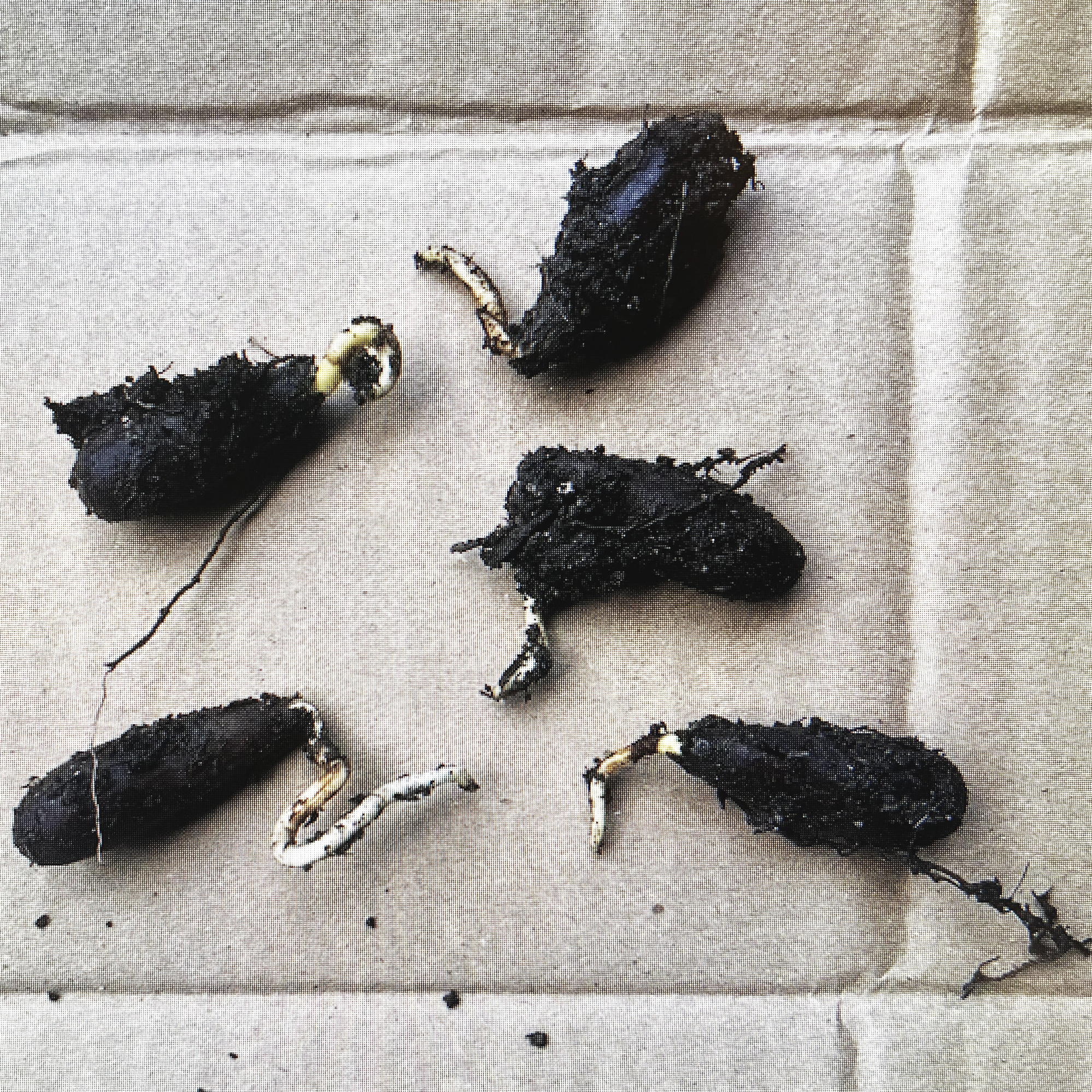
25 healthy valley oak acorns were selected for stratification. Stratification is the placing of seeds close together in layers in moist sand or peat to preserve them or to help them germinate. They were placed in two sandwich bags filled with moistened top soil. The sandwich bags were then placed in a refrigerator for 60 days. The cold and moist environment helps to break dormancy allowing the pericarp to break down and the acorn to germinate.
3. Potting
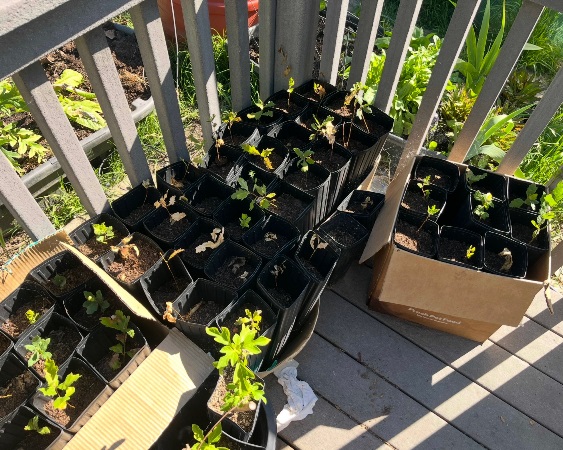
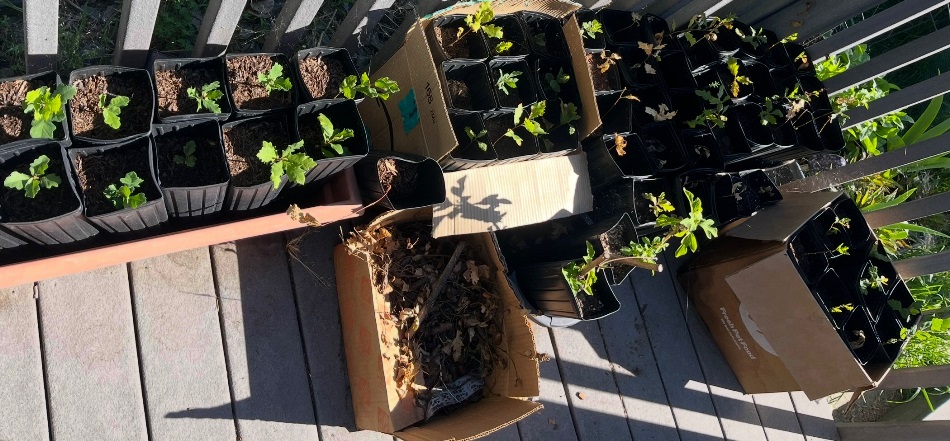
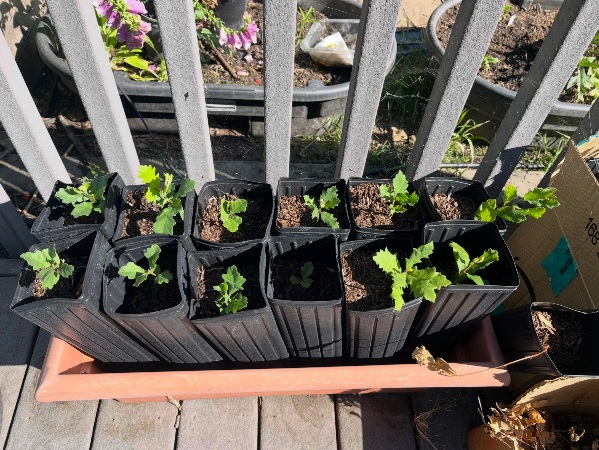
After 60 days the sandwich bags were opened. The acorns had begun to germinate. They were gently removed and planted in tree pots filled with top soil. The acorns will remain in the nursery until the saplings are old enough to be planted.
Landscape Restoration in Shumway Oak Grove Regional Park
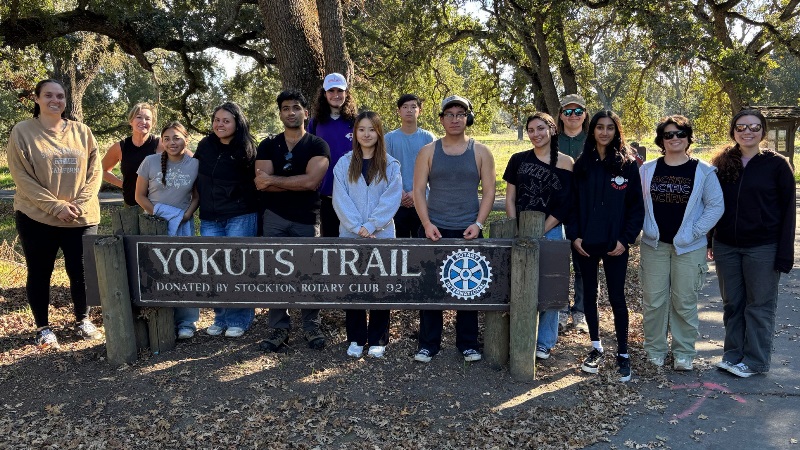
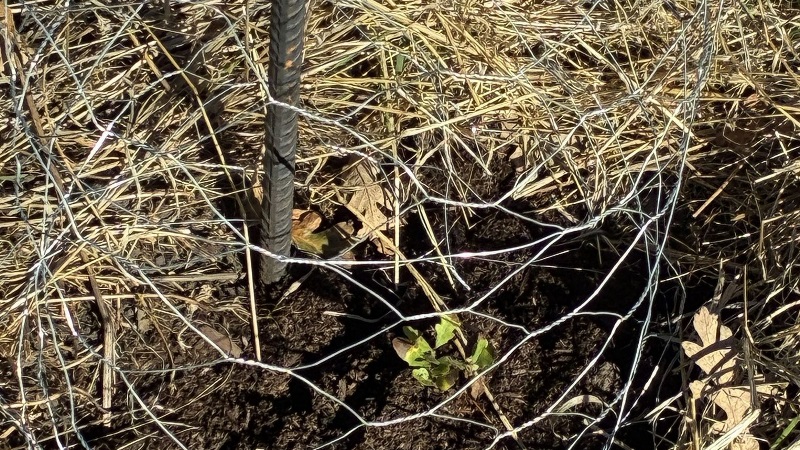
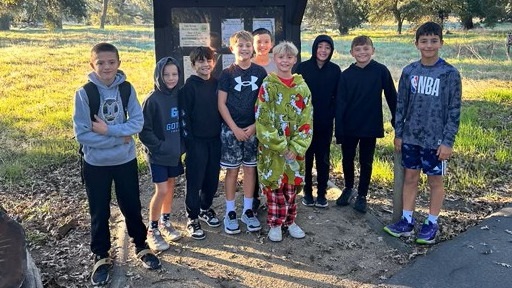
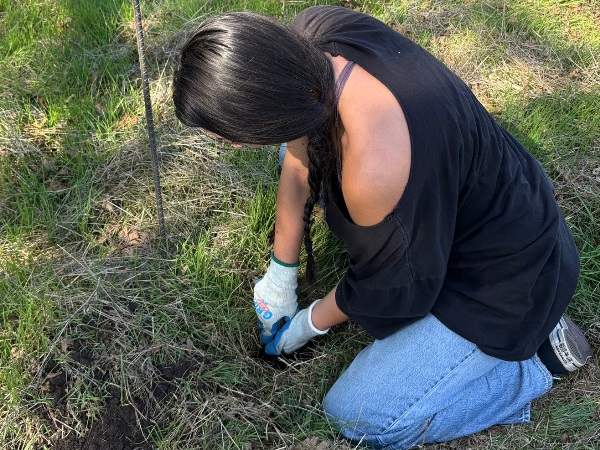
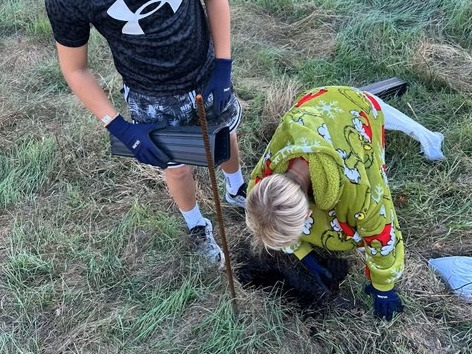
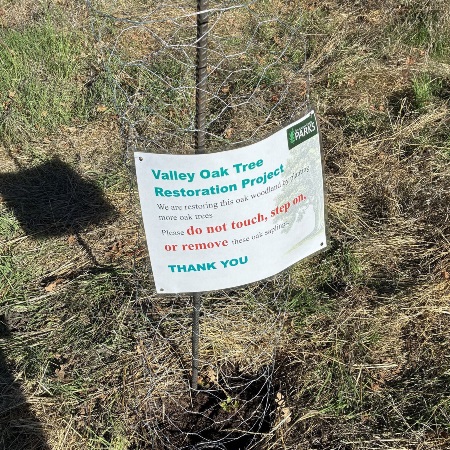
Valley Oak acorns were collected from Micke Grove Zoo in September/ October of 2024 and were sowed in tree pots after a period of stratification. After eight to 10 months, oak saplings were well established in most of the tree pots. By October 2025, the saplings were about 3” tall with strong root systems later found to be from 14 to 24 inches. An area in the oak woodland portion of Shumway regional park was selected. With the help of volunteers from University of Pacific, planting sites were cleared and pits 18 inches deep and 12 inches wide and about 20 to 30 feet apart were dug in preparation for the planting. In early November 2025, the 30 Valley Oak saplings were planted in the prepared site in Shumway Oak Grove Regional Park by volunteers from Fury 10U. After a thorough watering, chicken wire fences were erected around the planted saplings to protect them from ground squirrels and gophers. Signs were erected advising park visitors to take care around the new plantings. The first phase of our Landscape Restoration project was completed by the end of November 2025. The saplings will continue to be watered once a month during rain free summers for the first five years.